Getting New Industrial Machines UL Compliant Before They Go to Work
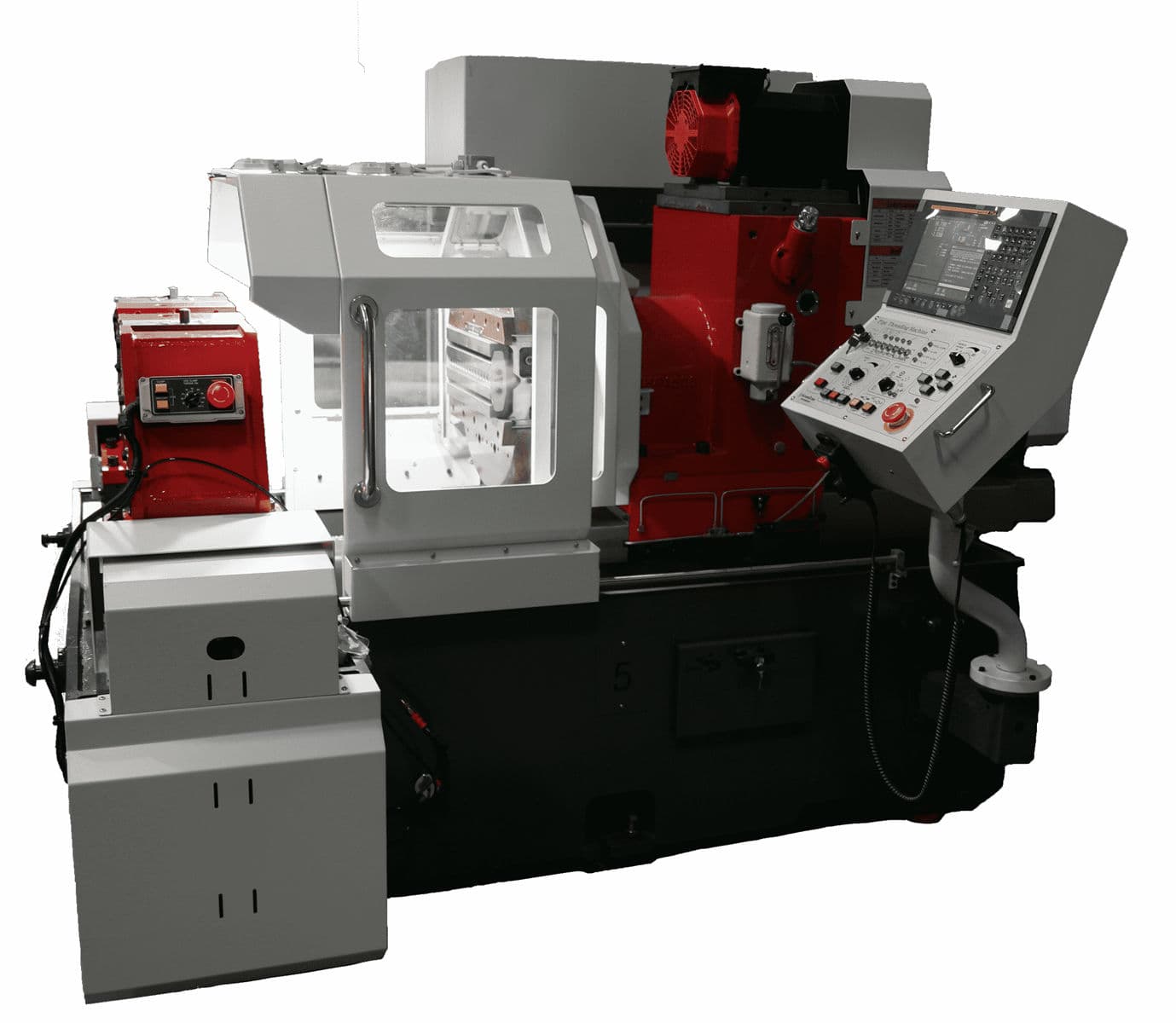
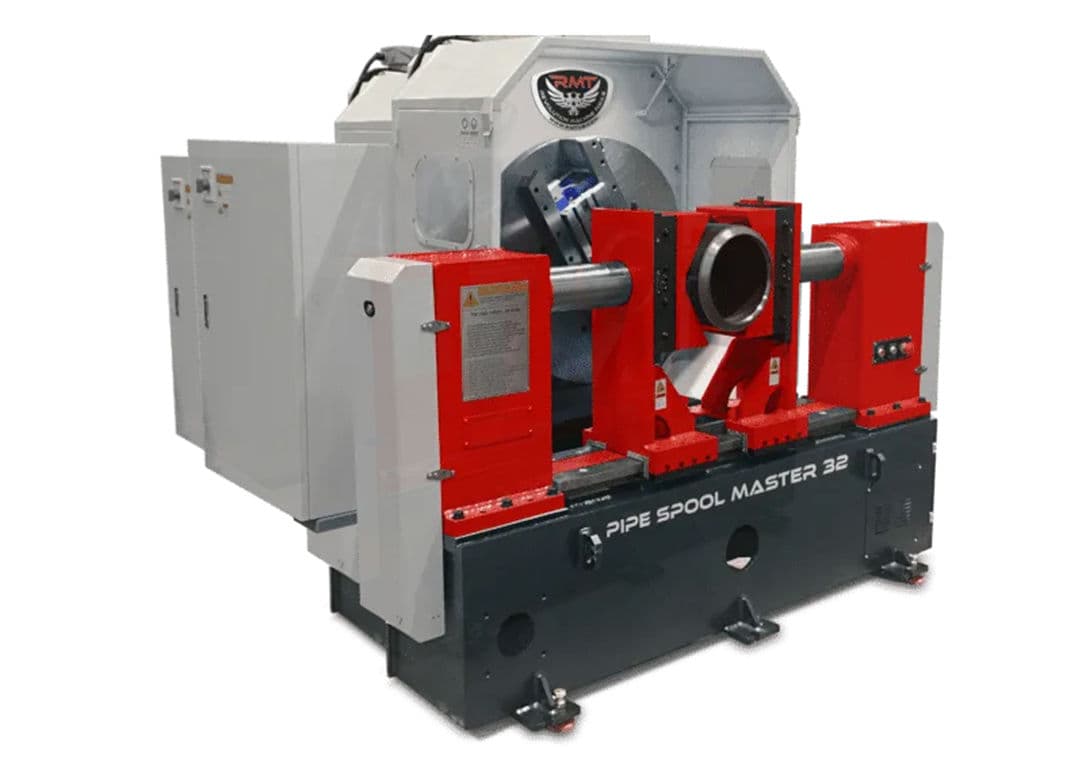
New equipment is exciting. A shiny machine with serious capability sitting on your floor - ready to run. But before it ever turns a part or cuts a thread, it has to pass electrical muster. City requirements. Insurance requirements. UL standards. And if the machine didn't ship compliant, it's not going anywhere until those boxes are checked.
That's exactly the situation we've been working through with these machines. Both pieces came in needing electrical modifications to align with UL requirements - the kind of changes that determine whether the city signs off and whether the customer's insurance will actually cover the equipment in operation. It's detail-oriented work that goes well beyond just plugging something in.
UL compliance on industrial equipment isn't a checkbox you skip. Insurance carriers are increasingly strict about it, and municipalities often require it before equipment can be put into production service. When the electrical systems don't meet those standards out of the box, someone has to go in, assess what needs to change, make the modifications, and then verify everything checks out. That's where our on-site testing comes in - we don't just make changes and walk away. We test to confirm the work actually holds up to the standard.
The machines themselves are serious pieces of industrial hardware. Getting them compliant means the customer can run them without liability hanging over their head, and it means the equipment is wired to operate safely under real working conditions. That matters a lot when you're talking about high-voltage industrial machinery running production hours day after day.
If you've got equipment that's been flagged for electrical compliance issues - or you're bringing in new machines and want to get ahead of the approval process - this is exactly the kind of work we do. Modifications, on-site testing, documentation. All of it.